
How Average Social Gets Scrolled Past
Why brands need a sharper, more recognisable place in the feed

Every social strategy deck has a familiar slide.
Educate, inspire, entertain.
Three pillars broad enough to hold almost any idea.
Then come the usual platform recommendations: post consistently, use short-form video, work with creators, join relevant trends, optimise for search, manage the community and keep space for reactive content.
Everyone agrees, and the content calendar fills up.
Six weeks later, the work is fine.
Fine hooks, fine edits, fine engagement. And the feed keeps moving.
Fine feels comfortable in the meeting. It creates very little memory in the feed.
That is the problem.
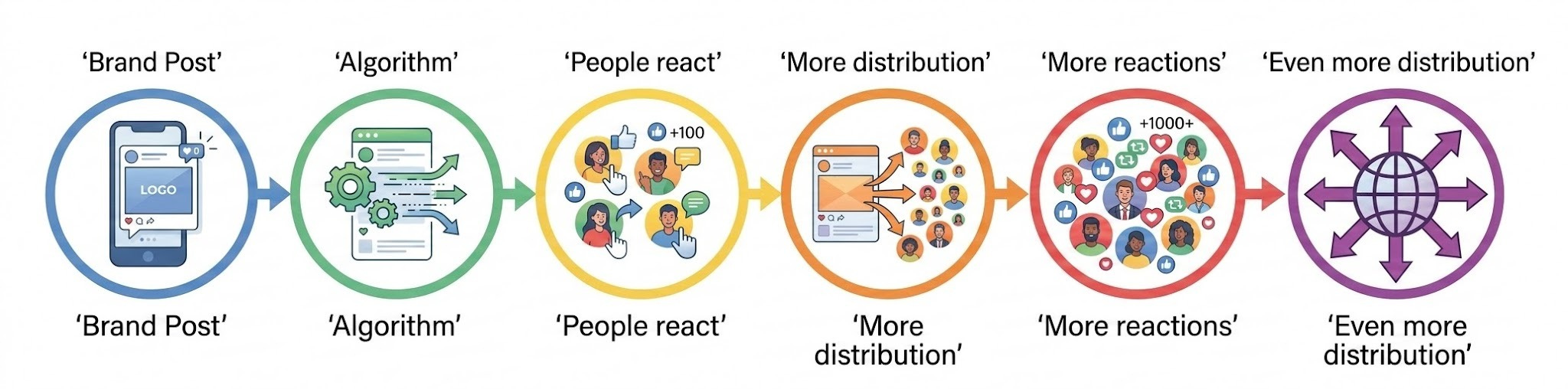
Social platforms have become enormous recommendation systems in which content that gives people a reason to stop, watch, save, search, or share gains attention. Average content rarely creates that signal. It arrives, behaves itself and disappears.
At Kaizen, we think social strategy needs a sharper job now: give the brand a recognisable edge people can identify before they see the logo.
The feed changed the economics of attention
DataReportal estimates there are 5.66 billion active social media user identities worldwide. The average online adult uses 6.75 social platforms each month, and the typical user spends 18 hours and 36 minutes per week across social and video feeds. That scale creates an absurd level of competition. Your post sits beside creators, group-chat jokes, football clips, breaking news, beauty tutorials, niche drama and somebody cooking steak in a hotel bathroom. DataReportal – Global Digital Insights
Each swipe asks the same question: why should I care about this?
The platforms ask a similar question through data. YouTube says recommendations are shaped by appeal, engagement and satisfaction. TikTok explains its recommendations through signals such as viewing behaviour, likes, shares, comments and searches. TikTok’s Creator Search Insights also shows creators the topics people actively look for, including gaps where demand already exists. Google Support
An idea needs to give the audience a reason and the platform some evidence.
Research by Jonah Berger and Katherine Milkman found that content connected to high-arousal emotions such as awe, anger and anxiety travelled further. Surprise, interest and practical usefulness were also positively linked to sharing. Emotional signal can come from humour, relief, curiosity, recognition or a useful answer delivered with personality. Katy Milkman
The aim is a noticeable response.
Average content is usually designed that way
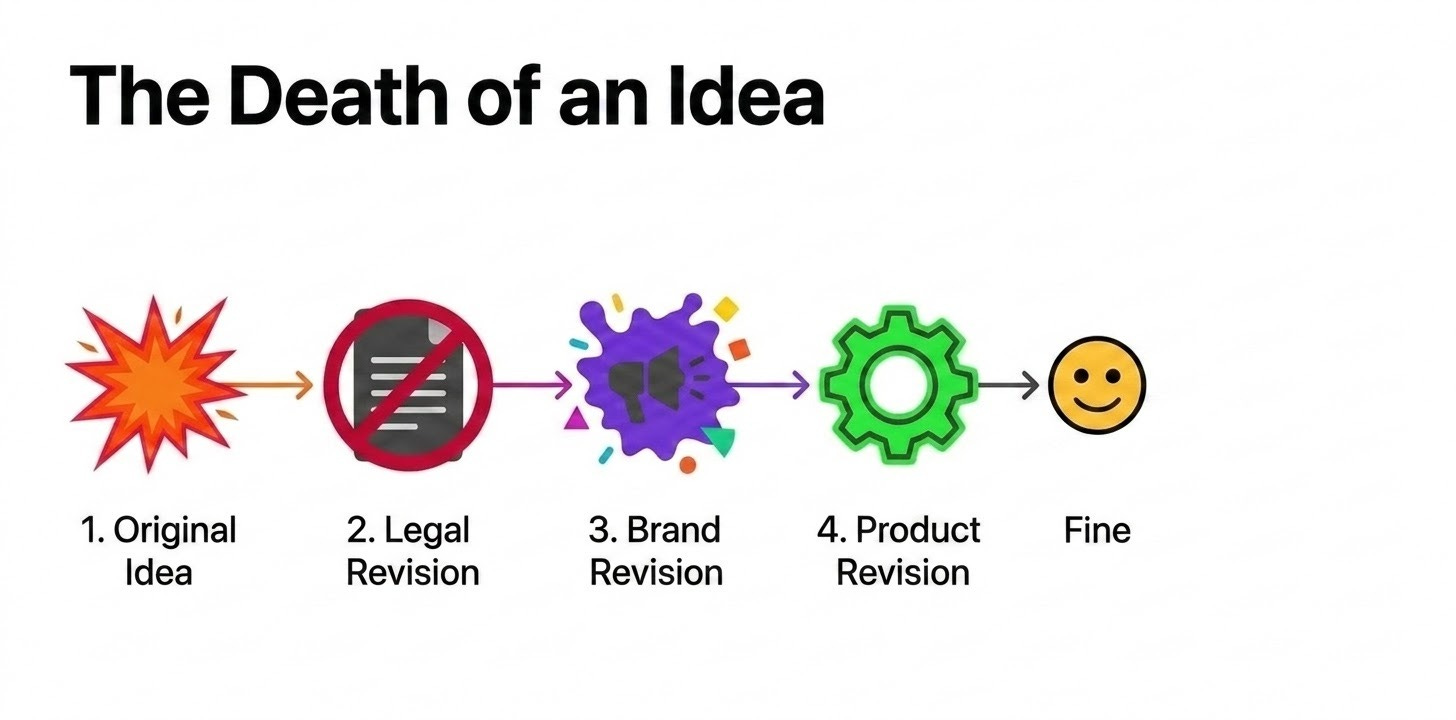
Most social ideas start with a specific observation. Then the organisation improves them to death.
Legal cuts the risky line, brand adds three messages, product squeezes in a feature, paid demands the pack shot up front, a stakeholder softens the joke, and the creator ends up reading a script that sounds like a ransom note.
Somewhere around approval round 5, the point disappears.
Corporate processes reward familiarity because familiarity feels easy to approve. Category benchmarking creates more of the same. Teams identify the common formats and make a cleaner version.
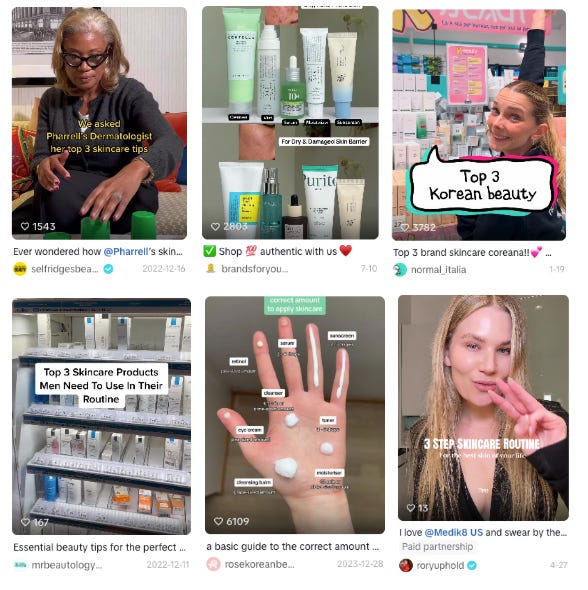
Soon every airline is making airport memes, every bank is sharing 5 money tips, every skincare brand is filming another morning routine, and every B2B company is publishing “5 lessons from our CEO.”
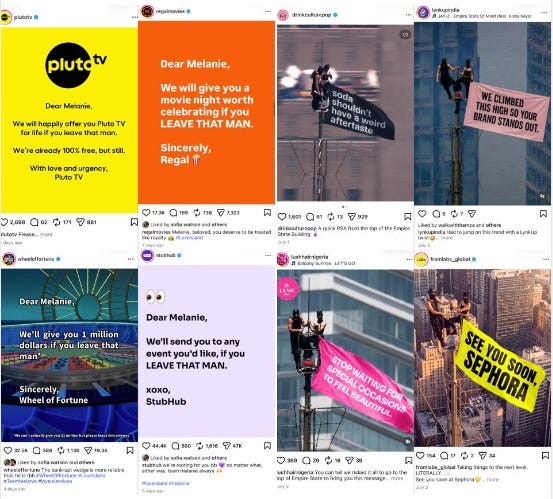
People can feel the sameness.
Sprout Social’s 2025 Index found that 93% of consumers expect brands to keep up with online culture. A third find viral trend-jumping embarrassing, 27% think a trend only works for brands during a 24 to 48-hour window, and around half say original content helps their favourite brands stand out. Cultural fluency now comes with a creativity test. Sprout Social
Joining the conversation is easy. Earning a recognisable role in it takes strategy.
At Kaizen, we find the edge before the format
Our social strategy starts in behaviour.
We read comments, searches, reviews, creator explanations, repeated complaints and the language people use when the brand is outside the room. Social gives us real-time evidence of what people care about and keep asking about.
We are looking for tension.
Which question keeps returning?
Which frustration gets exaggerated in the comments?
Which category rule feels tired?
Which behaviour already has cultural energy?
Which part of the brand gives us permission to participate?
Then we define a social edge. A sentence that gives the brand a clear place in the feed.
It could be:
The skincare brand that explains the awkward parts of routines people quietly Google.
The travel brand that turns 48 free hours into a proper escape.
The finance brand that makes money anxiety feel manageable in under a minute.
The sportswear brand that celebrates the ugly first attempt.
The food brand that treats everyday cravings like serious cultural events.
Each territory shapes hooks, creator casting, search topics, community replies and long-term series.
Turn your edge into a repeatable content series
An edge becomes valuable through repetition. Audiences need several encounters before the pattern becomes familiar.
An original content property gives the edge a home: a recurring series, a recognisable host, a visual cue, an editing style, or a question the brand keeps answering.
A strong property needs:
A clear audience tension.
A repeatable format.
A verbal or visual cue.
A defined role for creators or experts.
A searchable topic territory.
Enough flexibility for fresh episodes.
For a travel brand, that might become The 48-Hour Escape Plan.
For a finance brand, The Money Panic Translator.
For a sportswear brand, The First Attempt Club.
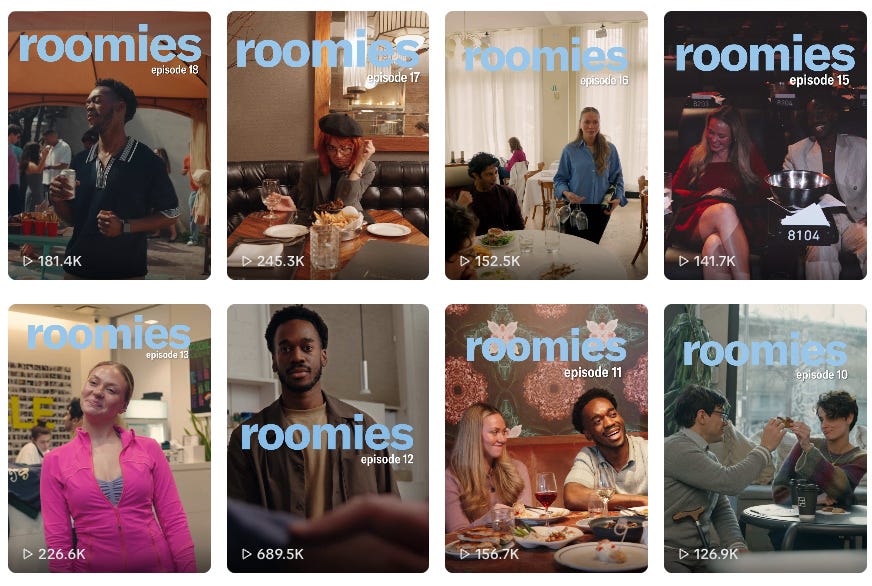
Consistency has commercial value. IPA and System1 analysed more than 4,000 ads from 56 brands across 44 categories over five years. Their research found that the most creatively consistent brands were expected to grow market share more than twice as effectively as the least consistent brands after five years, given the same media spend. IPA
Social teams can apply the same logic. Keep the distinctive behaviour. Refresh the episodes.
This also creates value beyond launch day. YouTube reports that 40% of a video’s views happen more than a month after it goes live. Searchable, useful and recognisable content can keep working long after the weekly report has been sent. blog.youtube
Over time, the feed starts to look like a library with a clear point of view.
Make every platform earn its version
DataReportal reports that 98.8% of users of any given social platform use at least one other platform in the same month. People recognise the same brand across several environments, and each environment trains a different behaviour. DataReportal – Global Digital Insights
The competitive edge can travel. Its execution should feel native wherever it lands.
On TikTok, lead with the tension quickly. Use creator language. Answer a real search. Keep the pacing alive.
On Instagram, package the idea for recognition, saves and sharing. Give the series a visual world people can spot in the grid.
On YouTube, add proof, depth and storytelling. Build for search and long-term discovery.
On Reddit, contribute detail. Show expertise. Speak like somebody who understands the community and speaks like them.
On LinkedIn, turn the same edge into a useful industry point of view with real examples and a relatable point of view.
Reusing one asset 6 times saves production time and saves the audience’s attention.
Platform-native execution protects the strategy and respects how people behave.
What brands should do next
1. Define the point of fame
Complete this sentence:
On social, we want to become the brand people follow for ________.
“Premium,” “innovative,” “inspiring” and “authentic” are wallpaper. Pick something people can see, feel and describe to a friend.
2. Build one flagship property
Choose one audience tension. Give the format a name, cadence, creator role and recognisable cues. Commit long enough for people to learn it.
3. Create a faster approval lane
Set pre-approved boundaries for tone, reactive moments and creator scripts. Give the social team room to move. Reactive content dies inside email chains.
4. Make social research a weekly habit
Use TikTok Creator Search Insights, search bars, Reddit, reviews, comments and Google Trends. Strong ideas often begin as questions people already ask.
5. Protect the edge as the execution improves
Test hooks, length, talent, format, keywords, thumbnails and pacing. Keep the central behaviour stable enough to build recognition.
The takeaway
Average social fades quietly. It earns a few likes, fills the calendar and gives the team something to report. The audience moves on.
At Kaizen, we think social strategy should give people a clear reason to know who is speaking.
So the question for every brief should be:
What can this brand own so clearly that people recognise it before the logo appears?
 |
|